
Dust settles so slowly that a home rarely shows the change from one day to the next. Daily tidying handles the busy spots, yet plenty of surfaces sit just outside that routine, from the fan blades overhead to the floor beneath the sofa. Knowing where dust likes to gather makes those spots much easier to keep up with.
1. Ceiling Fans and Light Fixtures
A ceiling fan pushes air around all day, and its blades pick up fine particles with every turn. The soft layer that forms along the top edge stays hidden from anyone standing below. Light fixtures follow the same pattern. Glass shades and bowls gather a thin film over time, and a little dust slips inside the covers too.
Because these pieces hang above eye level, they rarely land on the weekly to-do list. Most of us clean what we can see and reach without a stretch.
When a fan starts up after a long rest, a bit of that dust often drifts down, and that is usually the moment people realize it was there all along.
2. Baseboards and Door Frames
Air currents carry dust along the floor, and baseboards catch it on the small ledge at the top. Window trim works the same way. The tops of door frames collect their share as well, since hardly anyone ever looks up there.
A periodic wipe brings back the crisp look of a room's edges. A clean baseboard even makes the floor seem brighter, which is a nice reward for such a light task.
3. Air Vents and Return Grilles
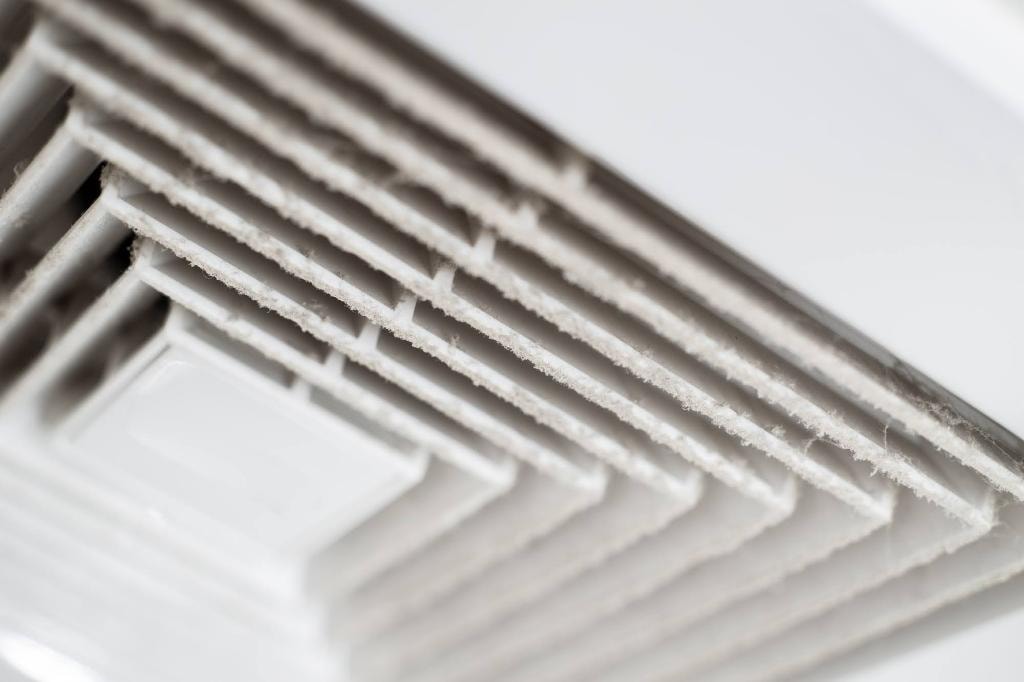
Vents and return grilles move air through the house all day, so their outer slats pick up a gray coat of dust before long. Placed high on a wall or low near the floor, they tend to fade into the background. Out of sight often means out of mind.
A gentle wipe or a soft brush attachment handles the visible surfaces well. Anything deeper inside the heating and cooling system is better left to trained technicians. Sticking to the exterior keeps the job simple and safe.
4. Window Blinds and Curtains
Horizontal blinds are built from many narrow slats, and every slat has a flat top that holds dust. A single window can add up to a surprising amount of surface.
Curtains and drapes catch particles too, because they hang right in the path of moving air and the weave holds on to whatever lands there.
The best way to clean them depends on the material. Wood blinds need different handling than metal ones, and fabric panels often carry a care tag that explains how to freshen them. A quick look at that tag saves a lot of guesswork.
5. Shelves, Picture Frames, and Decorations
Open shelves invite dust, and so do the pieces sitting on them. Frames and vases have flat tops and tiny details that hold particles, while a row of books creates little ledges of its own.
Because these items stay put for months at a time, the dust around them builds up gradually.
Cleaning around and beneath each object matters as much as wiping the object itself. A shelf can still look dull when the spot under a vase has been skipped for a long while. Lifting a piece to wipe the space underneath gives the whole display a fresh look.
6. Upholstered Furniture
Sofas and armchairs are soft and textured, which makes them very good at holding on to dust and other small particles. Daily life adds to it, since people sit and lean on them constantly. The seams and the gaps between cushions hide the most.
Routine vacuuming with a suitable attachment keeps the surface comfortable and clean. Many pieces come with a tag describing the right care for the fabric, and following it helps the furniture last. With a little regular attention, a favorite chair stays as inviting as the day it arrived.
7. Areas Beneath and Behind Furniture
Few mops or vacuums visit the space under a bed or dresser. Air drifts gently through a room, and dust follows it into these quiet pockets. The gap behind a bookcase or a large cabinet works the same way, and buildup there can grow for a long stretch before anyone sees it.
Moving lightweight furniture now and then makes these spots easy to reach. A chair or a small table slides aside in seconds, which leaves the floor open for a thorough clean. Heavier pieces are easier to move with a second person helping.
8. Electronics and Small Appliances
Television screens and computer surfaces attract dust, partly because many of them carry a slight static charge that pulls particles in. Small appliances like toasters and microwaves collect it on their outer shells too, especially when they sit in the same spot every day.
A soft, dry cloth works for most of these surfaces, and extra moisture should stay far from anything electronic. The maker's care notes are worth a glance, since each device has its own guidelines.
How to Keep Dust Buildup Under Control
Overlooked areas become much easier to handle once they become part of a regular cleaning schedule. Rather than tackling everything in one long session, try rotating between a few spots each week.
The fans and light fixtures might get their turn first, with baseboards and vents coming up next. The work stays light, and every space gets attention.
Routine dusting and vacuuming back up that rotation by catching particles before they sink into surfaces and fabrics. Dusting from the top of a room down lets loose particles fall onto areas that get cleaned last, and a pass with the vacuum then picks them up.
Over time, that steady rhythm leaves a home feeling lighter and more comfortable for everyone inside.
Get Help for a Cleaner Home
Dust gathers in more places than most people wipe down each day, and a little attention to the easy-to-miss spots goes a long way. Welcome Home Cleaning Services offers regular and custom plans for anyone who wants extra support with house cleaning.
Contact our team today for a quick booking on reliable, customizable cleaning services.